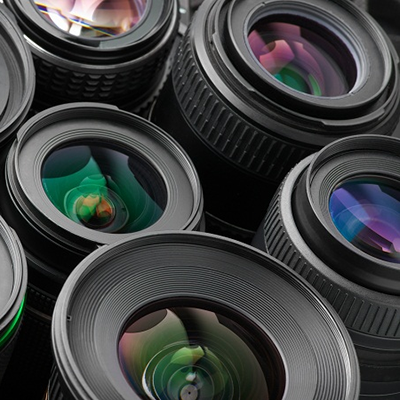



M12 lenses with F1.8 aperture
08/27/2025
Does a 16mm lens have distortion?
08/27/2025
In the world of surveillance, CCTV lens are the unsung heroes that determine the clarity, range, and adaptability of your security system. Whether you’re monitoring a retail store, a parking lot, or a sprawling industrial complex, selecting the right type of lens—zoom or fixed CCTV lenses—can make or break your ability to capture critical details.
But how do you decide between the flexibility of zoom CCTV lenses and the precision of fixed CCTV lenses? Let’s dive into the five key differences that will help you optimize your surveillance strategy.
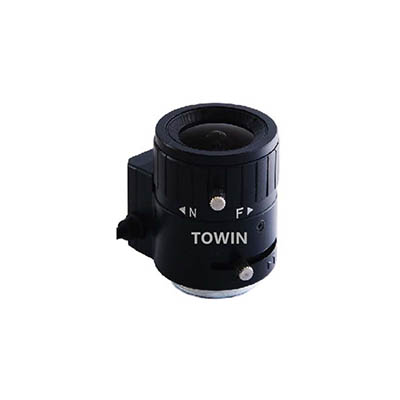
2.8-12mm F1.4 IR Corrected Lens , CCTV Zoom Lens
1. Zoom CCTV Lenses: The All-Seeing Eye of Adaptability
Zoom CCTV lenses are designed for scenarios where flexibility is paramount. These lenses allow you to adjust the focal length manually or automatically, enabling you to zoom in on distant objects or capture wide-angle views of large areas. Here’s why they shine:
- Dynamic Range Adjustment: With a zoom lens, you can switch from a 3.5mm wide-angle view to a 16mm telephoto perspective in seconds. This makes them ideal for monitoring entrances, exits, and areas with varying activity levels.
- Cost-Effective Multi-Camera Solution: Instead of installing multiple fixed CCTV lenses to cover different angles, a single zoom lens can handle diverse surveillance needs, reducing hardware costs and installation time.
- Real-Time Response: Security personnel can react instantly to incidents by zooming in on suspicious behavior or license plates without physically repositioning the camera.
However, zoom CCTV lenses come with trade-offs. They are typically more expensive than fixed lenses and may require more maintenance due to their moving parts. Additionally, excessive zooming can introduce image distortion or reduce low-light performance if not paired with advanced optics.
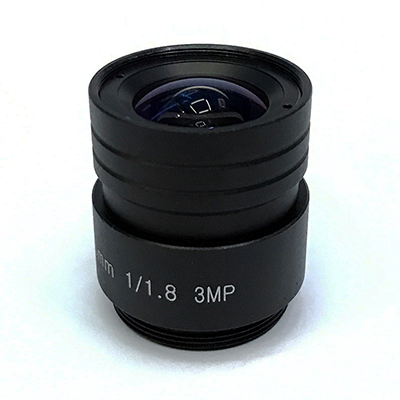
CCTV lens 5.5mm low light F1.2 IR correct CS mount lens
2. Fixed CCTV Lenses: The Precision Specialists
Fixed CCTV lenses, as the name suggests, have a permanent focal length. They excel in scenarios where consistency and reliability are non-negotiable. Here’s why they’re a top choice for many applications:
- Unmatched Image Quality: Since fixed lenses lack moving parts, they deliver sharper images with minimal distortion, even at the edges of the frame. This makes them perfect for facial recognition or license plate capture.
- Budget-Friendly: Fixed CCTV lenses are generally more affordable than zoom lenses, making them a cost-effective solution for large-scale deployments.
- Low Maintenance: With no zoom mechanism to wear out, fixed lenses require fewer repairs and offer longer operational lifespans.
- Ideal for Static Environments: If your surveillance area has predictable activity patterns—like a hallway or a cash register—fixed lenses provide consistent coverage without the need for adjustments.
The downside? Fixed lenses lack adaptability. If your surveillance needs change (e.g., you need to monitor a new area), you’ll need to physically reposition the camera or install additional hardware.
Fun Fact: The most common fixed focal lengths for CCTV lenses are 2.8mm, 3.6mm, and 6mm, each suited to different distances and fields of view.
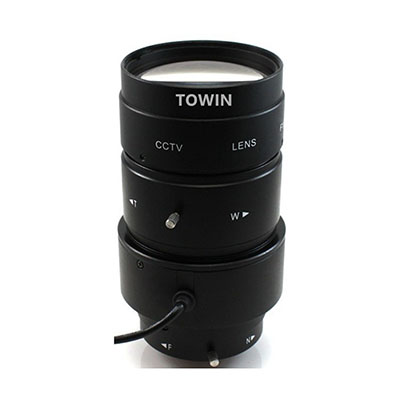
low-light-F1.0 IR Corrected Lens , CCTV Zoom Lens
3. Application-Based Decision Making
Choosing between zoom and fixed CCTV lenses depends on your specific surveillance goals:
Use Zoom Lenses For:
- Large outdoor areas (e.g., parking lots, stadiums).
- High-risk zones requiring real-time adjustments (e.g., bank lobbies, jewelry stores).
- Temporary setups like event security.
Use Fixed Lenses For:
- Indoor environments with controlled lighting (e.g., offices, retail stores).
- Long-term installations where image quality is critical (e.g., traffic intersections, border checkpoints).
- Budget-constrained projects requiring high camera counts.
4. The Role of Light and Resolution
Both zoom and fixed CCTV lenses are available in resolutions ranging from standard definition (SD) to 4K Ultra HD. However, zoom lenses may struggle in low-light conditions due to their smaller apertures when zoomed in. Fixed lenses, on the other hand, can be optimized for specific lighting scenarios (e.g., infrared for night vision) without compromising image quality.
Example: A 4K fixed CCTV lens with a 2.8mm focal length can capture stunning detail in a 10-meter radius, while a 4K zoom lens might lose clarity beyond 15 meters unless paired with advanced image stabilization.

2.2mm IP67 S-Mount waterproof CCTV lens
5. Future-Proofing Your Surveillance System
As surveillance technology evolves, hybrid solutions are emerging. Some modern CCTV systems combine fixed lenses with digital zoom capabilities, offering a balance of cost and flexibility. Others integrate AI-powered analytics to automatically adjust zoom settings based on detected motion.
When upgrading your system, consider:
- Scalability: Will your surveillance needs grow in the next 5 years?
- Integration: Do your lenses work seamlessly with existing security software?
- Total Cost of Ownership: Factor in maintenance, repairs, and energy consumption over the lens’s lifespan.
Conclusion
There’s no one-size-fits-all answer in the battle of zoom vs. fixed CCTV lenses. Zoom lenses offer unparalleled adaptability but come at a higher cost and maintenance burden. Fixed lenses provide rock-solid reliability and superior image quality but lack flexibility. The best choice depends on your environment, budget, and long-term goals.