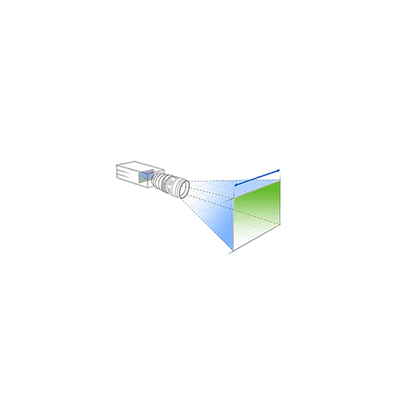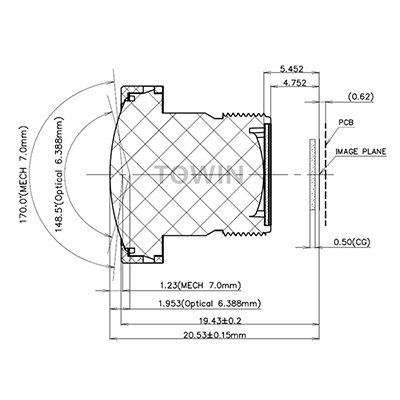



2.3mm F2.2 wide-angle M12 3-Megapixel lens
11/26/2025
Auto-Iris FA Lens: Dynamic Exposure Control
11/27/2025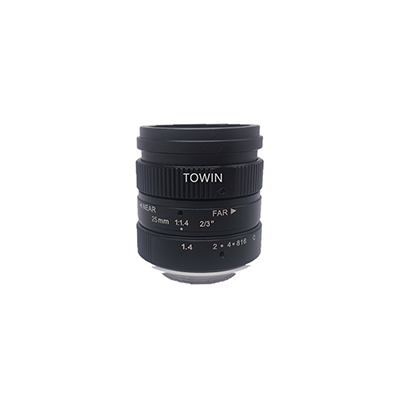
Machine vision systems are increasingly being used in industries such as manufacturing, automotive, healthcare, and more. One of the most critical components of these systems is the machine vision lens, which plays a significant role in determining the overall image quality and accuracy. But what exactly is the resolution of a machine vision lens?
Understanding the Resolution of a Machine Vision Lens
The resolution of a machine vision lenses refers to the lens’s ability to capture fine details in the images it produces. In simpler terms, it is the lens’s capacity to discern small objects or features within a scene. Higher resolution lets lenses capture detailed, sharp images, crucial for precision tasks like manufacturing quality control.
When discussing the resolution of a machine vision lenses, it’s important to note that it is closely linked to the overall resolution of the vision system, which includes the camera sensor and the lens itself. Low lens resolution relative to the camera sensor restricts high-quality image output, hampering machine vision effectiveness.
How is the Resolution of a Machine Vision Lenses Measured?
The resolution of a machine vision lenses is typically measured in terms of line pairs per millimeter (lp/mm). This unit gauges how many distinct black-white line pairs the lens resolves per millimeter of the image. A higher number of line pairs indicates a higher resolution and better image clarity. In general, lenses with higher resolution are preferred for applications requiring high-precision imaging, such as inspecting small or complex objects.
Resolution is also affected by factors such as the aperture size, focal length, and optical quality of the lens. A lens with a larger aperture lets in more light, enhancing image quality, particularly in low light. However, even with an excellent aperture, if the lens’s resolution capability is low, the final image quality may still suffer.
C-mount Machine Vision lens
Why is the Resolution of a Machine Vision Lens Important?
- 1. Improved Accuracy: A high-resolution lens enables machine vision to spot tiny flaws or details, ensuring precise measurements and inspections.
- 2. Enhanced Detail Capture: High-resolution lenses excel at capturing fine details, crucial in electronics, semiconductor, and medical imaging fields.
- 3. Efficient Quality Control: High resolution lets machine vision systems inspect products efficiently, spotting defects human inspectors might miss.
- 4. Faster Production Cycles: High-resolution lenses enable faster, more precise inspections, accelerating production and reducing downtime.
Choosing the Right Resolution for Your Machine Vision Lens
When selecting a machine vision lens, it’s crucial to consider the specific needs of your application. High-resolution lenses are not always necessary, and using a high-resolution lens for a task that does not require fine detail can result in unnecessary cost increases. Therefore, understanding the resolution requirements of your system is key.
Here are some factors to consider when selecting the resolution:
- Application Requirements: If you’re working with high-precision tasks, such as semiconductor inspection, you will need a high-resolution lens to capture every small detail. On the other hand, for more general-purpose applications, a lower resolution lens may be sufficient.
- Camera Sensor Resolution: Your lens should complement your camera’s resolution. Using a high-resolution lens with a low-resolution camera may not yield the desired image quality and could waste resources.
- Lighting Conditions: Good lighting is essential for getting the most out of your lens. Even the best lens cannot perform optimally without proper illumination.

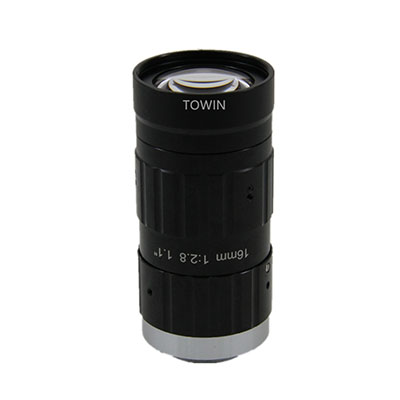
40mm C mount IR corrected machine vision lenses
FAQs
How does the resolution of a machine vision lenses affect image quality?
The resolution of a machine vision lenses significantly impacts the image quality by determining how finely it can capture details. A high-resolution lens yields sharper, clearer images, vital for precision tasks like manufacturing inspection and measurement.
Can I use a low-resolution machine vision lens for high-precision tasks?
Using a low-resolution machine vision lens for high-precision tasks is not advisable, as it will limit the ability to detect small defects or fine details. For inspecting tiny parts, a high-resolution lens is crucial to guarantee accurate results.
Is it possible to upgrade the resolution of a machine vision lenses?
The resolution of a machine vision lenses is fixed based on its design and specifications. While you can choose lenses with higher resolution, upgrading an existing lens may not be feasible. For higher resolution needs, swap the current lens for one with superior resolution capabilities.
How does sensor size impact the resolution of a machine vision lenses?
The size of the camera sensor also plays a role in the overall image quality. A larger sensor can capture more light and produce higher-quality images, but it must be paired with a lens that matches its resolution capabilities. If the lens resolution is too low for the sensor, the resulting images may appear blurred or less detailed.
What is the best resolution for a machine vision lens for quality control?
The best resolution for a machine vision lens used in quality control depends on the size and detail of the features you are inspecting. For most quality control applications, a lens with a resolution of 100-200 lp/mm is typically sufficient. However, for extremely detailed inspection of micro-components, higher-resolution lenses (250 lp/mm or more) may be required.
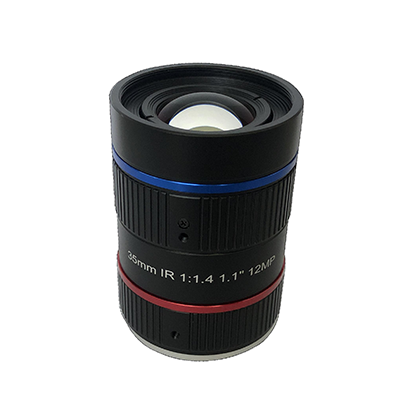
IR 12MP Low Distortion Machine Vision Lens
Conclusion
Understanding what is the resolution of a machine vision lens is crucial for anyone involved in machine vision applications. The resolution of the lens determines the clarity and detail of the images captured by the system, directly affecting the accuracy and efficiency of automated inspection, measurement, and quality control processes. When selecting a machine vision lens, always consider the resolution requirements of your specific application, the camera sensor resolution, and other factors such as lighting and lens quality.