


Compact CS-Mount lenses for embedded systems
11/26/2025
M12 Lenses with Telecentric Design
11/26/2025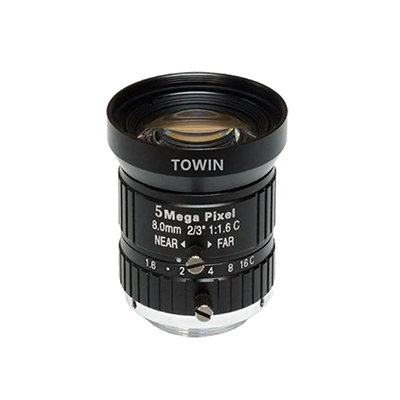
The world of photography and videography has evolved tremendously over the years, with different technologies shaping the way we capture and perceive images. One key component in this evolution is the C-Mount lens. These lenses have a rich history and have undergone significant development to become a staple in modern optical applications. For photographers, videographers, or optics enthusiasts, knowing C-Mount lenses history and development deepens appreciation for imaging.
What are C-Mount Lenses?
Before delving into the history and development of C-Mount lenses, it’s essential to understand what they are. A C-Mount lens is a type of lens mount that was initially designed for movie cameras in the early 20th century. It has a 1-inch (25.4mm) diameter and a flange-to-sensor distance of 17.526mm, making it ideal for use with various imaging devices. Originally made for cinema cameras, C-Mount lenses now feature in many modern gadgets like surveillance cams, microscopes.
The Origins of C-Mount Lenses
The story of C-Mount lenses history and development begins in the early 1900s. During the era of silent films and early cinematography, filmmakers needed lenses that could provide a high level of clarity, detail, and versatility. The C-Mount lens was created as a solution to these needs.
In the 1920s, Bell & Howell, an American company known for its film equipment, introduced the C-Mount lens as part of their motion picture camera systems. Designed for sharp cinematic images, C-Mount standardization allows filmmakers easy lens swaps and flexibility.
The Evolution of C-Mount Lenses
As the film industry grew, so did the C-Mount lenses. Over the decades, these lenses evolved to cater to the changing demands of the cinematic world. During the 1950s-60s, C-Mount lenses improved optically, featuring better coatings, glass, and construction methods. This allowed them to capture higher-quality images and work more efficiently with film stock and later, video technologies.
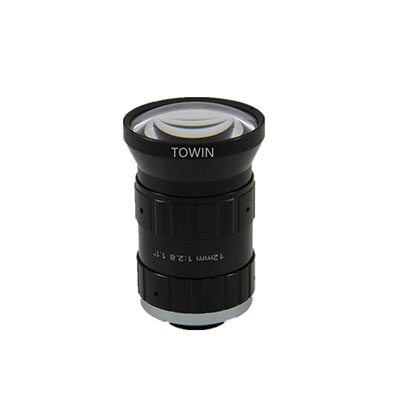
20MP 12mm low distorton C-mount FA lens
C-Mount Lenses in the Modern Era
With the advent of digital imaging, the C-Mount lens underwent a significant transformation. While the film industry was gradually shifting to digital production, the C-Mount remained a key player in certain fields. C-Mount lenses turned standard for security, machine vision, and industrial uses, owing to versatility, integration ease, and cost.
Today, C-Mount lenses are commonly used in a range of digital imaging applications, including medical equipment, scientific research, and even drone cameras. Compact size, precise optics, and adaptability to sensors keep C-Mount lenses relevant in modern imaging.
Advantages of C-Mount Lenses
- 1. Standardization: The C-Mount’s standardization lets lenses swap freely across devices, eliminating compatibility worries.
- 2. Compact Design: C-Mount lenses’ small size suits space-constrained uses like microscopes, security cams, and drones.
- 3. Versatility: C-Mount lenses work with many cameras and imaging systems, fitting both pros and amateurs.
- 4. High Optical Performance: Over time, C-Mount lenses have enhanced to deliver top-notch imaging with sharpness, contrast, and color accuracy.
C-Mount Lenses History and Development in the Digital Age
In recent years, the C-Mount lens has seen a resurgence with the rise of digital imaging technologies. Companies like Sony, Panasonic, and FLIR have developed high-end digital cameras that feature C-Mount lenses. C-Mount lenses excel in precision-critical apps like industrial inspection, medical imaging, and research.
The ability to use C-Mount lenses with digital sensors has enabled industries to adopt cost-effective and flexible optical solutions. High-def cameras and 4K systems drove makers to craft advanced C-Mount lenses with better coatings, faster apertures, and higher resolution.
Challenges in C-Mount Lens Development
While C-Mount lenses have come a long way, there are still challenges in their development. One significant issue is the limited image circle that C-Mount lenses can cover. For larger sensors, such as those found in full-frame digital cameras, C-Mount lenses may not provide the desired field of view or sharpness across the frame. This has led to innovations in lens design, with manufacturers working on creating lenses that can deliver better coverage for larger sensors.
Another challenge is maintaining high optical quality at a relatively low cost. As C-Mount lenses continue to be used in industrial and surveillance applications, manufacturers must balance performance with affordability to meet the needs of both high-end users and those on a budget.

40mm C mount IR corrected machine vision lenses
Where Are C-Mount Lenses Used Today?
- Surveillance Cameras: Many security cameras use C-Mount lenses because of their adaptability to different sensors and their ability to capture clear images in both bright and low-light conditions.
- Medical Imaging: C-Mount lenses are used in medical devices such as endoscopes and surgical microscopes, where precise imaging is crucial.
- Machine Vision: In industrial automation and robotics, C-Mount lenses are used in cameras that inspect products on assembly lines or assist with quality control.
- Microscopes: C-Mount lenses are often found in modern microscopes, where they provide high magnification and excellent image quality for scientific research.
FAQs
What makes C-Mount lenses different from other types of lenses?
C-Mount lenses are specifically designed for use with a wide range of optical devices, including film cameras, digital cameras, and industrial equipment. They are known for their standardized mount, compact size, and versatility, which make them suitable for many applications, from surveillance to scientific research.
Are C-Mount lenses still used in cinematography?
While C-Mount lenses were initially designed for film cameras, their use in professional cinematography has decreased with the rise of newer lens mounts like PL-Mount. However, C-Mount lenses are still used in certain applications, such as digital video production and industrial filming.
Can I use a C-Mount lens on a full-frame camera?
The C-Mount lens was designed for smaller sensors and may not provide the optimal image quality on full-frame cameras. However, with the right adapters and modifications, you can still use C-Mount lenses on full-frame cameras, although the results may not be as sharp or wide as with lenses specifically designed for larger sensors.
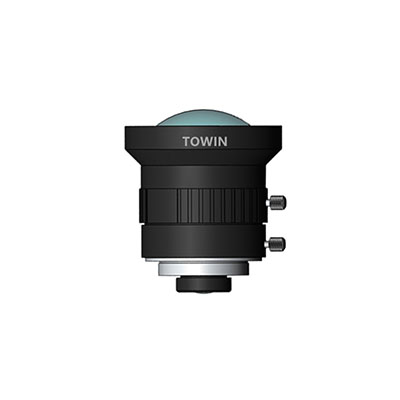
1/1.8″, 4.5mm low distortoin wide angle C mount industrial lens
Conclusion
The C-Mount lens has a fascinating history and continues to evolve as technology advances. From its humble beginnings in early cinematography to its widespread use in digital imaging systems, C-Mount lenses have proven to be incredibly adaptable and reliable. From professional film shoots to scientific research, C-Mount lenses stay a vital part of the optics field.