


3.7mm HD CCTV M9 mount Pinhole lens
10/31/2025
5 Key Benefits of Using Pinhole Lens
11/03/2025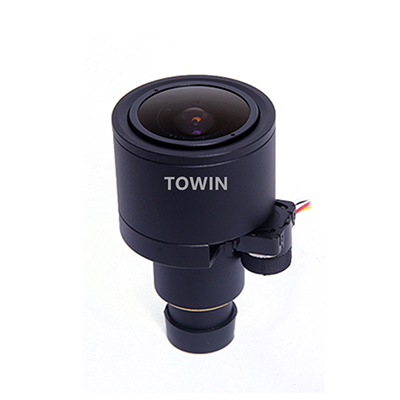
Security surveillance systems rely heavily on the right CCTV Lens to capture clear, actionable footage. Whether you’re securing a home, business, or public space, choosing between a Fixed vs. Varifocal CCTV Lens can impact flexibility, cost, and image quality.
What Is a Fixed CCTV Lens?
A Fixed CCTV Lens has a permanent focal length, meaning its field of view (FOV) cannot be adjusted after installation. For example, a 3.6mm fixed lens provides a wide-angle view ideal for monitoring small rooms, while an 8mm lens offers narrower coverage for long-distance observation.
Pros of Fixed CCTV Lenses:
- Cost-Effective: Generally cheaper than varifocal lenses.
- Simpler Installation: No manual adjustments needed post-setup.
- Sharp Image Quality: Fixed lenses often produce clearer images at their designated focal length.
Cons of Fixed CCTV Lenses:
- Limited Flexibility: Cannot adapt to changing surveillance needs (e.g., zooming in on a specific area).
- Multiple Lenses Required: To cover varying distances, you may need multiple cameras with different fixed lenses.
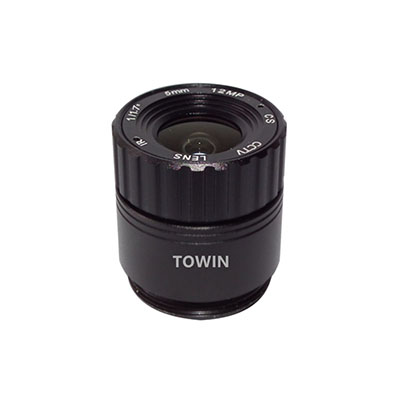
CCTV lens,CS-Mount Fixed Focus Lenses
What Is a Varifocal CCTV Lens?
A Varifocal CCTV Lens allows manual adjustment of its focal length, typically ranging from 2.8mm to 12mm or more. This flexibility lets users “zoom in” or “out” to fine-tune the FOV without physically relocating the camera.
Pros of Varifocal CCTV Lenses:
- Adaptability: Adjust focal length to monitor both wide areas and specific details.
- Cost-Efficient for Dynamic Environments: One varifocal lens can replace multiple fixed lenses.
- Future-Proofing: Easily reconfigure coverage as security needs evolve.
Cons of Varifocal CCTV Lenses:
- Higher Cost: Typically more expensive than fixed lenses.
- Complex Setup: Requires manual calibration during installation.
Slight Image Quality Trade-Off: Some varifocal lenses may lose sharpness at extreme zoom levels.
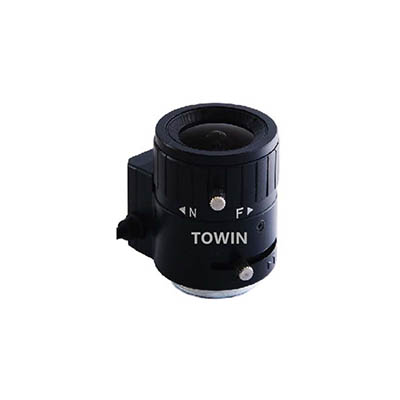
2.8-12mm F1.4 IR Corrected Lens , CCTV Zoom Lens
Fixed vs. Varifocal CCTV Lens: Key Comparisons
When deciding between a Fixed vs. Varifocal CCTV Lens, consider these factors:
1. Flexibility and Adjustability
Varifocal lenses shine in environments where surveillance needs change frequently, such as retail stores or parking lots. Fixed lenses are better suited for static settings like hallways or entryways.
2. Cost Considerations
Fixed lenses are budget-friendly for small-scale setups, while varifocal lenses justify their higher price with long-term adaptability. For example, a varifocal lens might cost 30–50% more but eliminate the need for multiple cameras.
3. Image Quality and Resolution
Fixed lenses often deliver crisper images at their native focal length, making them ideal for high-detail areas like cash registers. Varifocal lenses may introduce slight distortion at extreme zoom settings but remain effective for general surveillance.
4. Installation and Maintenance
Fixed lenses require minimal setup, whereas varifocal lenses demand precise calibration. However, varifocal lenses reduce future maintenance by eliminating the need to swap cameras for different FOVs.
When to Choose a Fixed CCTV Lens
Opt for a Fixed CCTV Lens if:
- Your surveillance area has consistent lighting and distance requirements.
- You’re on a tight budget.
- You need high-resolution images of a specific zone (e.g., a doorway or safe).
When to Choose a Varifocal CCTV Lens
Choose a Varifocal CCTV Lens if:
- You need to monitor varying distances (e.g., a warehouse with both close-up and far-away assets).
- You want to future-proof your system against layout changes.
- You’re willing to invest in long-term flexibility.
Real-World Applications
- Retail Stores: Varifocal lenses can zoom in on checkout counters while monitoring the entire floor.
- Residential Security: Fixed lenses work well for driveways or front doors, while varifocal lenses suit large backyards.
- Industrial Sites: Varifocal lenses adapt to monitor machinery, storage areas, and entry points in one system.
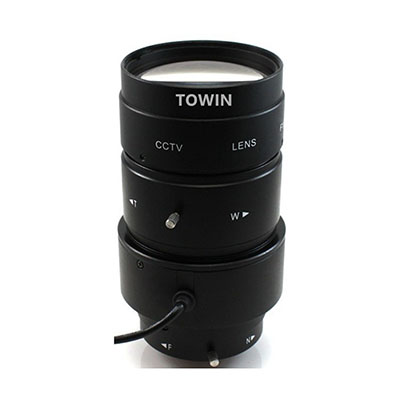
low-light-F1.0 IR Corrected Lens , CCTV Zoom Lens
FAQs
1. Can a varifocal lens replace multiple fixed lenses?
Yes! A single varifocal lens can adjust to cover ranges that would otherwise require several fixed lenses, reducing costs and clutter.
2. Do varifocal lenses work with all CCTV cameras?
Most modern CCTV cameras support varifocal lenses, but check compatibility with your camera’s sensor size (e.g., 1/3”, 1/2.7”) before purchasing.
3. Are fixed lenses better for low-light conditions?
Fixed lenses often perform better in low light at their native focal length due to optimized aperture settings. Varifocal lenses may require manual adjustments to maintain clarity.
4. How do I calculate the FOV for a fixed lens?
Use this formula: FOV = 2 × arctan(sensor size / (2 × focal length)). For example, a 3.6mm lens on a 1/3” sensor offers ~72° horizontal FOV.
5. Do varifocal lenses lose quality when zoomed?
Some varifocal lenses experience slight image degradation at extreme zoom levels, but high-quality models minimize this issue.
6. Which lens type is better for outdoor surveillance?
Varifocal lenses are ideal for outdoor use due to their adaptability to varying distances and lighting conditions.

2.2mm IP67 S-Mount waterproof CCTV lens
Final Verdict
The choice between a Fixed vs. Varifocal CCTV Lens hinges on your specific needs. Fixed lenses excel in cost-sensitive, static environments, while varifocal lenses offer unmatched flexibility for dynamic settings. Assess your budget, surveillance goals, and future needs to make the right decision.