


Low distortion wide angle 2.5mm 72° M7 mount lens
10/23/2025
50mm ITS Lens – Ultra Long-Range View
10/24/2025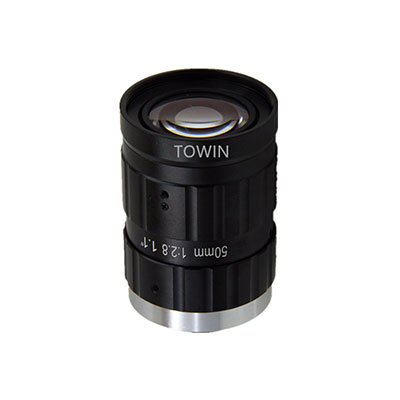
In modern manufacturing, ensuring the flawless production of glass bottles demands cutting-edge technology. The Glass Bottle Inspection Lens, a specialized Industrial Lens, has emerged as a game-changer in quality control. By leveraging advanced optics and machine vision, this tool eliminates human error, reduces waste, and guarantees product safety.
Why Glass Bottle Inspection Lenses Are Critical for Industrial Lens Applications
Glass bottles are used in pharmaceuticals, beverages, and cosmetics, where even minor flaws like cracks, bubbles, or uneven thickness can compromise safety and brand reputation. Traditional manual inspections are slow, inconsistent, and prone to oversight. The Glass Bottle Inspection Lens addresses these challenges by automating the process with unparalleled precision.
As an Industrial Lens, it integrates with high-speed cameras and AI algorithms to detect defects at microscopic levels. For instance, a pharmaceutical company reduced defect rates by 85% after adopting this technology, ensuring compliance with FDA standards.
Key Features of Glass Bottle Inspection Lenses
- 1. High-Resolution Imaging: Captures defects as small as 0.01mm, such as hairline cracks or surface scratches.
- 2. Multi-Angle Inspection: Uses adjustable lenses to scan bottles from 360°, ensuring no defect goes unnoticed.
- 3. Real-Time Analysis: Processes images at speeds up to 1,200 bottles per minute, ideal for high-volume production.
- 4. Environmental Adaptability: Works in dusty, humid, or low-light conditions without compromising accuracy.
- 5. Integration with AI: Machine learning algorithms classify defects and predict potential failures before they occur.
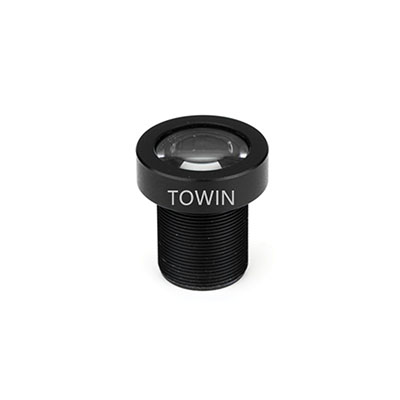
Low-distortion-3.4mm-Wide-angle-5MP-industrial-lens
How Glass Bottle Inspection Lenses Work
The process begins when bottles pass through a conveyor system equipped with the Industrial Lens. The lens captures high-resolution images, which are analyzed by software for irregularities. Defects are flagged instantly, and rejected bottles are diverted for recycling.
Applications Across Industries
- Pharmaceuticals: Ensures sterile packaging for vaccines and medications.
- Food & Beverage: Detects contaminants or improper sealing in bottles.
- Cosmetics: Identifies scratches or discoloration in premium packaging.
- Chemical Manufacturing: Prevents leaks in hazardous material containers.
According to Global Market Insights, the Industrial Lens market for glass inspection is projected to grow at 8.2% CAGR through 2030, driven by demand for automation.
Choosing the Right Glass Bottle Inspection Lens
Selecting the ideal Industrial Lens depends on:
- Resolution Needs: Higher resolution lenses cost more but detect finer defects.
- Speed Requirements: Fast-moving production lines need lenses with rapid shutter speeds.
FAQs
1. Can these lenses inspect colored glass bottles?
Yes! Advanced models use polarized light to penetrate tinted glass and detect internal flaws.
2. How often do Industrial Lenses need maintenance?
Annual calibration is recommended, though dusty environments may require quarterly checks.
3. Do these lenses work in low-light factories?
Absolutely. Many models include built-in LED illumination for dark environments.
4. Can AI improve defect detection over time?
Yes! Machine learning algorithms adapt to new defect patterns, enhancing accuracy monthly.
5. Is training required to operate these systems?
Basic training (4–8 hours) suffices, as interfaces are user-friendly.
6. What’s the lifespan of an Industrial Lens?
With proper care, lenses last 5–10 years before needing replacement.
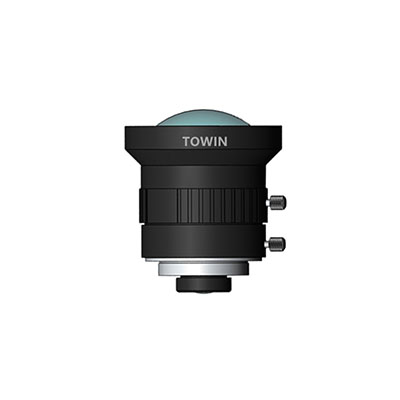
1/1.8″, 4.5mm low distortoin wide angle C mount industrial lens
Conclusion
The Glass Bottle Inspection Lens represents a paradigm shift in industrial quality control. As an Industrial Lens, it combines speed, precision, and reliability to meet the demands of modern manufacturing. By investing in this technology, businesses can achieve zero-defect production, comply with global standards, and stay ahead of competitors.