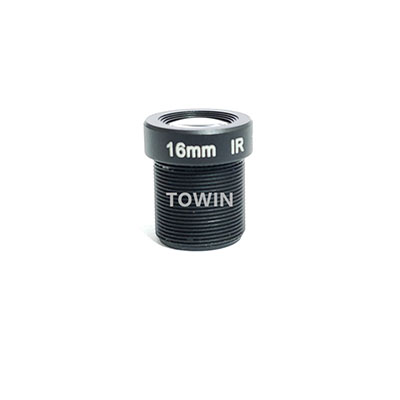



High-Transmittance M12 Lenses
10/21/2025
25mm Zoom Industrial Lens
10/22/2025
Barcode scanning is the backbone of modern logistics, retail, and manufacturing. But how do machine vision lenses help in barcode scanning to achieve unparalleled precision? The answer lies in their ability to transform raw visual data into actionable insights. Machine vision lenses, equipped with cutting-edge optical technology, are redefining efficiency in automated systems.
How Do Machine Vision Lenses Help in Barcode Scanning?
Machine vision lens are specialized optical components designed to capture high-resolution images with minimal distortion. Unlike conventional lenses, they integrate advanced features like low distortion, high contrast, and precise focal control. These attributes enable barcode scanners to decode even damaged or poorly printed codes with 99.9% accuracy.
For instance, in a warehouse setting, machine vision lens ensure that barcodes on moving conveyor belts are scanned instantly, reducing bottlenecks. Their ability to focus on tiny details—such as the spacing between barcode lines—prevents misreads, a common issue with standard lenses.
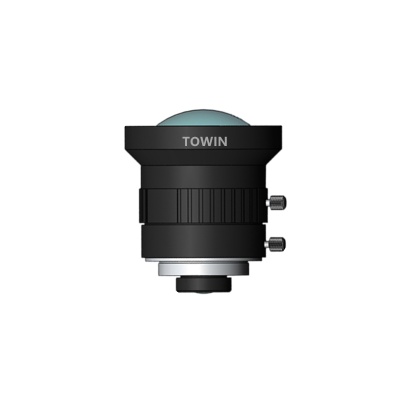
C mount machine vision lenses
The Science Behind Machine Vision Lens in Barcode Scanning
1. High-Resolution Imaging
Machine vision lens capture images at resolutions exceeding 10 megapixels, ensuring every barcode element is clearly visible. This is critical for 1D barcodes (like UPC codes) and 2D barcodes (like QR codes), which require pixel-perfect clarity.
2. Low Distortion Optics
Distortion can warp barcode shapes, leading to scanning errors. Machine vision lens use aspherical designs to minimize distortion, ensuring straight lines remain straight.
3. Dynamic Focal Adjustment
These lenses automatically adjust focus based on the barcode’s distance from the scanner. This is invaluable in environments where items vary in size or position, such as e-commerce fulfillment centers.
4. Wide Depth of Field
A broad depth of field allows scanners to read barcodes at multiple distances without manual repositioning. This feature is particularly useful in automotive assembly lines, where components move rapidly.
5. Light Control
Machine vision lens incorporate anti-reflective coatings and polarized filters to reduce glare and enhance contrast. This ensures barcodes are legible even under harsh lighting conditions, such as fluorescent factory lights.
Industries Leveraging Machine Vision Lens for Barcode Scanning
- Retail: Self-checkout kiosks use machine vision lens to scan products quickly, reducing wait times.
- Pharmaceuticals: Drug packaging lines rely on these lenses to verify barcodes on tiny vials, ensuring compliance with FDA regulations.
- Automotive: Assembly robots equipped with machine vision lens track parts via barcodes, minimizing errors in vehicle production.
- Logistics: Sorting facilities use high-speed scanners with machine vision lens to route packages accurately, even at 1,000 items per hour.
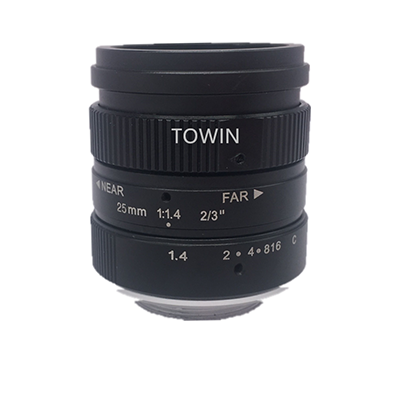
25MM Low Distortion Machine Vision FA Lens
Future Trends in Machine Vision Lens for Barcode Scanning
1. AI-Powered Calibration
Future lenses will use AI to self-calibrate, adjusting for environmental factors like temperature changes.
2. Miniaturization
Smaller, more compact lenses will enable barcode scanning in wearable devices and drones.
3. Multi-Spectral Imaging
Lenses that capture infrared and ultraviolet light will read barcodes invisible to the naked eye, enhancing security.
4. Integration with 5G
Real-time data transmission via 5G will allow scanners to process barcodes faster, ideal for autonomous vehicles.
FAQs
1. What makes machine vision lens better for barcode scanning than regular lenses?
Machine vision lens offer superior resolution, lower distortion, and dynamic focal adjustment, making them ideal for high-speed, high-accuracy applications.
2. Can machine vision lens scan damaged barcodes?
Yes! Their advanced optics can decode scratched, faded, or partially obscured barcodes by focusing on intact sections.
3. Are machine vision lens compatible with all barcode scanners?
Most modern scanners support machine vision lens, but compatibility depends on the lens mount and scanner interface. Consult manufacturers for specifics.
4. How often do machine vision lens need maintenance?
With proper care, they can last years. Regular cleaning and calibration are recommended, especially in dusty environments.
5. Do machine vision lens work in low-light conditions?
Absolutely. Many models feature built-in illuminators or work with external lighting systems to ensure clear scans in darkness.
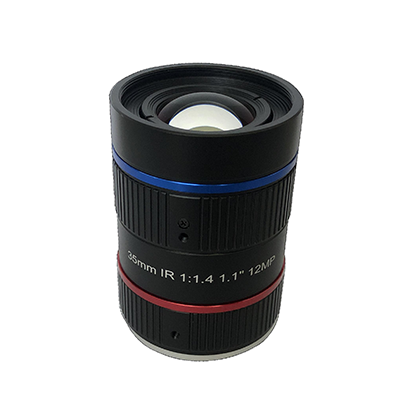
IR 12MP Low Distortion Machine Vision Lens
Conclusion
How do machine vision lenses help in barcode scanning? By delivering unmatched precision, speed, and reliability. Industries that prioritize efficiency—from e-commerce giants to pharmaceutical manufacturers—are adopting these lenses to stay competitive. As technology evolves, machine vision lenses will only become more integral to automation.