


IR-Compatible FA Lens
10/14/2025
What is a fisheye machine vision lens
10/14/2025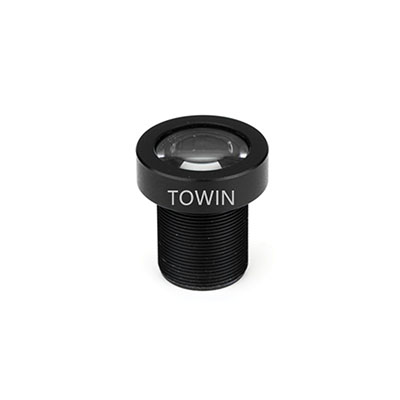
Photography enthusiasts and professionals alike constantly seek tools that elevate image quality. Among the most critical decisions is choosing between Low-Distortion Lenses and standard lenses. While standard lenses are versatile, Low-Distortion Lenses offer unparalleled precision, making them indispensable for certain applications.
What Is a Low-Distortion Lens?
A Low-Distortion Lens is engineered to minimize optical distortions such as barrel distortion (where straight lines bow outward) or pincushion distortion (where lines bow inward). These lenses use advanced optical designs, including aspherical elements and precise coatings, to maintain geometric accuracy.
In contrast, standard lenses often prioritize cost or compactness over distortion control. While they perform well in general photography, they may introduce visible warping in architectural shots, product photography, or scenes requiring strict linearity.
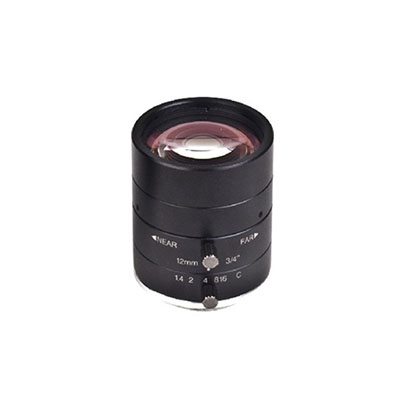
low-distortion C-mount lens
Low-Distortion vs. Standard Lenses: Key Differences
1. Image Quality and Geometric Accuracy
Low-Distortion Lenses excel in preserving straight lines and proportions, critical for architectural photography, real estate, and commercial work. Standard lenses, while sharper in some cases, may compromise geometric fidelity.
Example: A standard lens might warp the edges of a building, making it appear curved. A Low-Distortion Lens ensures the structure remains true to life.
2. Optical Design and Complexity
Low-Distortion Lenses incorporate more sophisticated glass elements and coatings to counteract distortions. This complexity often results in bulkier, heavier lenses. Standard lenses, however, use simpler designs, making them lighter and more portable.
3. Cost and Accessibility
Standard lenses are generally more affordable and widely available. Low-Distortion Lenses, being niche tools, often come at a premium. For instance, a professional Low-Distortion Lens might cost 2-3x more than a comparable standard model.
4. Versatility vs. Specialization
Standard lenses adapt to various genres, from portraits to landscapes. Low-Distortion Lenses shine in specialized fields like architectural photography, product shoots, and cinematography where precision is non-negotiable.
5. Chromatic Aberration and Sharpness
While both lens types control chromatic aberration (color fringing), Low-Distortion Lenses often outperform standard options in edge-to-edge sharpness. This makes them ideal for high-resolution sensors and large prints.
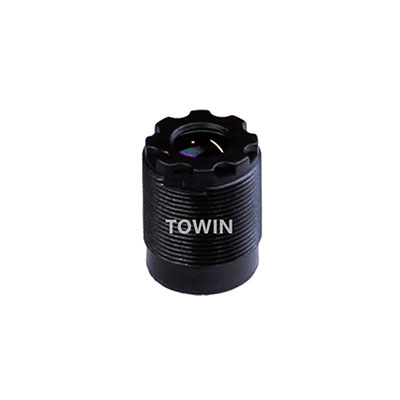
low-distortion-M8-Mount-lens
When to Use a Low-Distortion Lens
- Architectural Photography: Maintain straight lines in buildings and interiors.
- Product Photography: Ensure accurate representation of shapes and sizes.
- Cinematography: Achieve seamless visuals in commercial films or documentaries.
- Technical Imaging: Scientific or forensic photography requiring precision.
When a Standard Lens Suffices
- Portrait Photography: Soft bokeh and natural skin tones matter more than geometric accuracy.
- Travel and Street Photography: Lightweight gear is prioritized over distortion control.
- Budget Constraints: Affordability is a deciding factor.
FAQs
1. Are Low-Distortion Lenses Worth the Extra Cost?
If your work demands geometric accuracy, absolutely. For casual photography, standard lenses may suffice.
2. Do All Low-Distortion Lenses Perform Equally?
No. Performance varies by brand and model. Research reviews to find lenses with minimal distortion and high sharpness.
3. Can I Use a Low-Distortion Lens for Portraits?
While possible, standard lenses with wide apertures (e.g., f/1.8) are better suited for portraits due to their bokeh and versatility.
4. Are Low-Distortion Lenses Only for Professionals?
Not necessarily. Hobbyists in architectural or product photography may find them invaluable.
5. Do Low-Distortion Lenses Have Faster Autofocus?
Not inherently. Autofocus speed depends on the lens motor and camera compatibility, not distortion control.
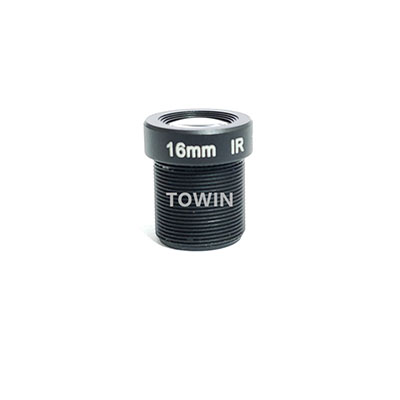
IR-corrected-Low-distortion-CCTV-16mm-M12-lens
Conclusion
The choice between Low-Distortion vs. Standard Lenses hinges on your photographic needs. For projects demanding flawless geometry, invest in a Low-Distortion Lens. For versatility and affordability, standard lenses remain a reliable choice. By understanding their strengths and limitations, you can make an informed decision that elevates your craft.