

Understanding Lens Mounts for CCTV Cameras
09/30/2025
High-Quality Wholesale Fisheye Lenses
09/30/2025
Pinhole photography offers a unique, dreamy aesthetic, but vignetting—the darkening of corners in an image—can detract from its charm. Mastering How to Avoid Vignetting with a Pinhole Lens elevates hobbyists and pros to crisp, professional imagery.
How to Avoid Vignetting with a Pinhole Lens: 5 Proven Methods
1. Optimize Pinhole Size
The diameter of your pinhole directly impacts image quality. A hole that’s too large lets in excess light, causing blur and vignetting, while a tiny hole restricts light, leading to dim corners. The ideal size depends on your focal length (distance from pinhole to film/sensor). Use the formula:
Pinhole diameter (mm) = √(2 × λ × focal length)
Where λ (wavelength of light) ≈ 0.00055mm for visible light. For example, a 50mm focal length lens needs a ~0.23mm pinhole. Tools like MrPinhole’s Calculator simplify this process.
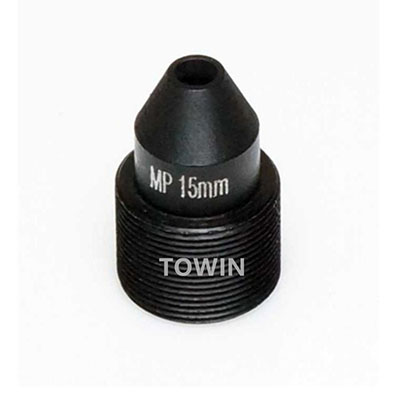
Pinhole 10mm IR corrected CCTV M12 lens
2. Position Your Camera Correctly
Vignetting often occurs when the pinhole isn’t perfectly centered or when the camera body blocks light. Ensure:
The pinhole is aligned with the center of the film/sensor plane.
- No internal obstructions (e.g., uneven body edges) interfere with light paths.
- Test by shooting a flat, evenly lit surface (e.g., a white wall) and adjusting if corners appear darker.
3. Use a Longer Focal Length
Shorter focal lengths (e.g., 25mm) create wider angles but exacerbate vignetting due to extreme light angles. Switching to a longer focal length (e.g., 75mm) reduces the need for extreme light bending, minimizing corner darkness. However, balance this with portability—longer lenses require bulkier setups.
4. Post-Processing Corrections
If vignetting persists, software like Adobe Lightroom or GIMP can help. Use the “Lens Corrections” tool to adjust vignetting sliders. For manual fixes:
- Apply a gradient mask to brighten corners.
- Use the “Dodge” tool to selectively lighten dark areas.
Pro Tip: Always shoot in RAW to retain maximum editing flexibility.
5. Upgrade Your Pinhole Material
Thin, durable materials (e.g., brass or aluminum) reduce light scattering compared to thicker options. Avoid materials prone to warping, as uneven surfaces distort light paths. For DIY enthusiasts, laser-cut pinholes from specialized kits (like those from Ilford) ensure precision.
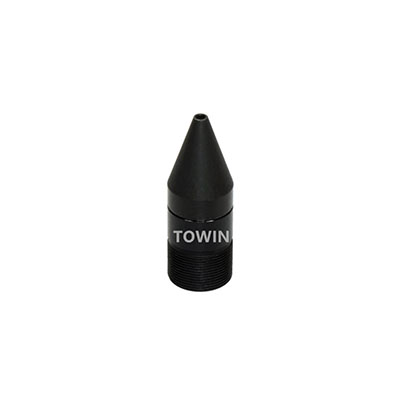
Fixed focus M12 Mount pinhole lens
Final Thoughts
Vignetting doesn’t have to ruin your pinhole creations. By refining your pinhole size, camera setup, and post-processing techniques, you can achieve edge-to-edge clarity. Experiment with these strategies, and don’t shy away from blending traditional methods with modern tools.