Fisheye Lens Time-Lapse
09/11/2025
Low distortion CCTV lenses
09/11/2025
Landscape photography thrives on capturing the grandeur of nature, and a wide angle lens is an indispensable tool for achieving this. However, using one effectively requires more than just attaching it to your camera. Below are 5 Wide Angle Lens Tips for Landscape Photography that will help you transform ordinary scenes into breathtaking masterpieces.
1. Master Depth of Field with Wide Angle Lens Tips for Landscape Photography
A key advantage of wide angle lenses is their inherent depth of field. Even at moderate apertures like f/8 or f/11, most of your scene will remain sharp. To maximize this, use a smaller aperture (e.g., f/16) and focus about one-third into the frame. This technique ensures foreground elements and distant horizons are equally crisp, creating a sense of three-dimensionality. Avoid extremely small apertures (e.g., f/22), as diffraction can soften details.
2. Embrace Foreground Interest
Wide angle lenses exaggerate perspective, making foreground elements appear larger and more prominent. Use this to your advantage by incorporating rocks, flowers, or water patterns into your composition. Position these objects close to the lens to create a dynamic leading line that guides the viewer’s eye toward the background. Without foreground interest, wide angle shots can feel empty or flat, so always scan your surroundings for compelling details.
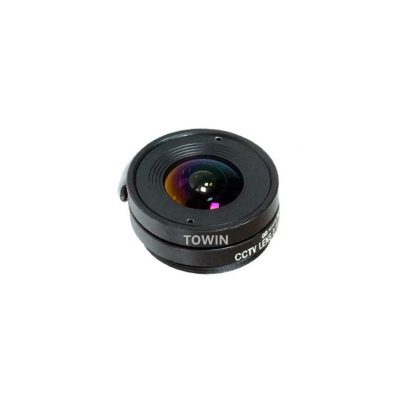
CS mount wide angle lens IR corrected
3. Avoid Distortion with Smart Composition
One challenge of wide angle lenses is distortion, particularly near the edges of the frame. To minimize this, keep horizontal lines (like horizons) centered or slightly lower in the image. Avoid placing buildings, trees, or other vertical objects at the extreme edges, as they may appear bent or stretched. For architectural landscapes, consider using a tilt-shift lens or correcting distortion in post-processing with tools like Adobe Lightroom.
4. Use a Tripod for Stability
Wide angle lenses often require slower shutter speeds to achieve proper exposure, especially during golden hour or in low-light conditions. A sturdy tripod eliminates camera shake, ensuring tack-sharp images. Pair it with a remote shutter release or your camera’s timer function to avoid blurring from pressing the shutter button. For added stability, hang a weight from the tripod’s center column to counteract wind or uneven terrain.
5. Experiment with Hyper-Focal Distance
Hyper-focal distance focusing ensures maximum sharpness from the foreground to infinity. Many wide angle lenses have depth-of-field scales or apps like PhotoPills can calculate it for you. By focusing at the hyper-focal distance, you’ll keep everything in focus without stopping down too much. This technique is particularly useful for fast-paced shooting, such as capturing shifting light conditions during sunrise or sunset.
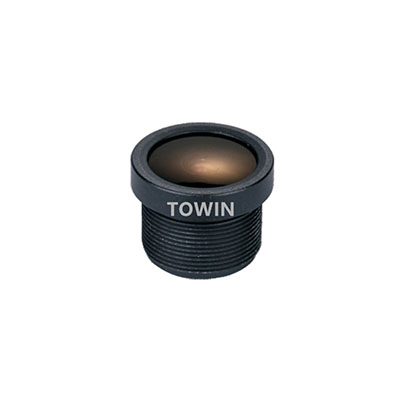
2.7mm Wide Angle Automotive Lens
Final Thoughts
Mastering Wide Angle Lens Tips for Landscape Photography takes practice, but the results are worth it. By combining technical precision with creative composition, you’ll unlock the full potential of your lens.