


Main features of M6, M7, M8 lenses
08/26/2025
Rectilinear Wide Angle Lens
08/26/2025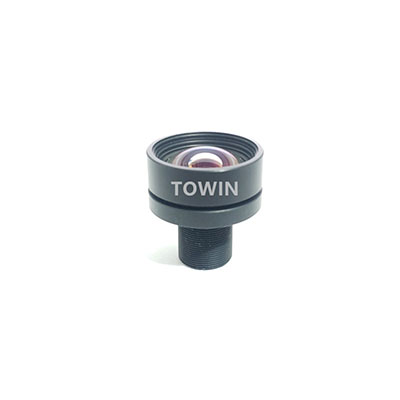
In a world where visual precision is non-negotiable, the FDA-registered low distortion lens stands as a game-changer. Whether you’re a medical professional relying on accurate imaging, an engineer analyzing intricate designs, or a consumer seeking crystal-clear vision, the quality of your lens matters. But what makes an FDA-registered low distortion lens superior to conventional options?
What Is an FDA-Registered Low Distortion Lens?
An FDA-registered low distortion lens is a specialized optical component engineered to minimize image warping, chromatic aberration, and light dispersion. Unlike standard lenses, which may introduce subtle (or noticeable) distortions, these lenses undergo rigorous testing to meet the U.S. Food and Drug Administration’s (FDA) standards for safety and performance. This registration ensures the lens complies with strict manufacturing protocols, material quality, and optical accuracy, making it ideal for critical applications.
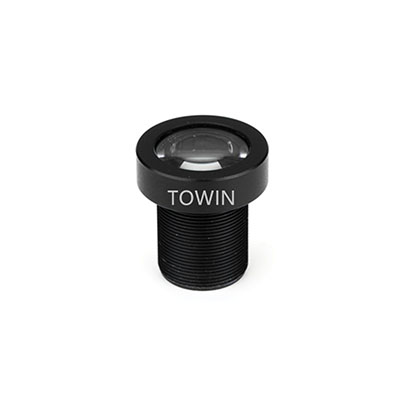
Low distortion 6mm Wide angle lens
5 Key Advantages of FDA-Registered Low Distortion Lenses
1. Unmatched Optical Clarity
The primary benefit of an FDA-registered low distortion lens is its ability to deliver razor-sharp images with minimal distortion. Traditional lenses often suffer from barrel distortion (where edges appear curved) or pincushion distortion (where edges bend inward). In contrast, FDA-registered lenses use advanced materials and coating technologies to correct these issues, ensuring straight lines remain straight and details stay crisp.
Example: In medical endoscopy, even slight distortions can lead to misdiagnosis. An FDA-registered lens ensures surgeons see tissues and organs with lifelike accuracy, improving procedural outcomes.
2. Regulatory Compliance and Safety
The FDA’s stringent registration process guarantees that the lens meets international safety standards. This is critical for industries like healthcare, aerospace, and defense, where faulty optics could result in catastrophic errors. By choosing an FDA-registered product, users gain peace of mind knowing the lens has been vetted for biocompatibility, durability, and performance under extreme conditions.
Did you know? The FDA evaluates lenses for factors like UV protection, impact resistance, and chemical stability. Learn more about their guidelines here.
3. Enhanced Durability and Longevity
FDA-registered low distortion lenses are built to last. Manufacturers use scratch-resistant coatings, anti-reflective layers, and high-grade polymers or glass to withstand daily wear and tear. This durability reduces replacement costs and ensures consistent performance over time, making them a cost-effective investment for businesses and individuals alike.

1/4″ 2mm low distortion, wide angle lens
4. Versatility Across Industries
From microscopy to virtual reality (VR) headsets, the applications of an FDA-registered low distortion lens are vast. Here’s how different sectors leverage this technology:
- Healthcare: Endoscopes, ophthalmoscopes, and dental cameras rely on distortion-free lenses for accurate diagnostics.
- Manufacturing: Quality control systems use these lenses to inspect tiny components without visual errors.
- Consumer Electronics: VR and augmented reality (AR) devices depend on low-distortion optics to prevent motion sickness and enhance immersion.
- Photography: Professional cameras and telescopes achieve sharper images with minimal edge distortion.
5. Competitive Edge for Businesses
For companies developing optical products, integrating an FDA-registered low distortion lens can differentiate their offerings in a crowded market. Consumers increasingly prioritize safety and performance, and certifications like FDA registration act as trust signals. Brands that highlight this feature often see higher customer satisfaction and loyalty.
The Future of Low Distortion Optics
As technology evolves, the demand for FDA-registered low distortion lenses will surge. Innovations like metamaterials and AI-driven lens design promise even greater precision, enabling applications we’ve yet to imagine. For now, these lenses remain a cornerstone of industries where accuracy is not optional—it’s essential.
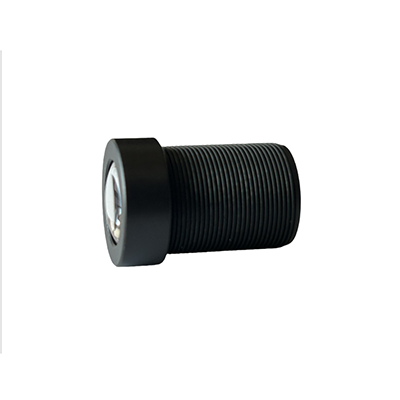
25mm-Low Distortion Telecentric Lens
Conclusion
The FDA-registered low distortion lens is more than a buzzword; it’s a testament to engineering excellence and regulatory rigor. By prioritizing clarity, safety, and durability, these lenses empower professionals to perform at their best while offering consumers unmatched visual experiences.