


What are the main parameters of M12 lenses?
08/01/2025
Dustproof waterproof automotive lens
08/01/2025
In the realm of optical engineering, where every micron counts, the calibration of low distortion lens stands as a cornerstone of achieving unparalleled image quality. Whether you’re delving into machine vision, surveillance, or any application demanding flawless visuals, understanding the nuances of low distortion lens calibration is imperative.
Understanding Low Distortion Lens Calibration
At the heart of any high-precision imaging system lies the low distortion lens, a marvel of optical design engineered to minimize geometric distortions that can compromise image integrity. Calibration of these lenses is not merely a technical procedure; it’s an art that ensures the lens performs at its peak, delivering images that are true to life. The process involves meticulous adjustments to correct for barrel distortion, pincushion distortion, and other aberrations that can skew the perception of space and size in captured images.
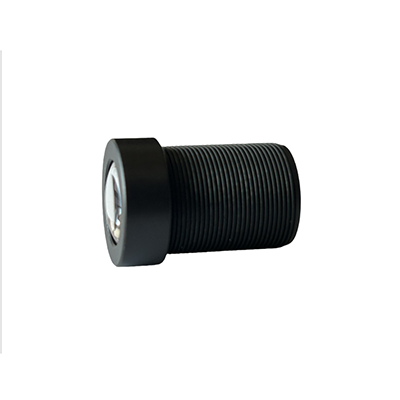
25mm-Low Distortion S mount Industrial Lens
Product Parameters of Towin’s Low Distortion Lenses
Towin, a professional optical lenses supplier based in China, offers a range of low distortion lenses that redefine the standards of imaging excellence. Here are the key parameters that make Towin’s lenses stand out:
- Thread Size & Mount Type: Towin’s low distortion lenses are designed with precision thread sizes, including the popular M12/S-Mount (M12X0.5), which allows for direct threading into PCB cameras, also known as board lenses or miniature lenses. These lenses are compact yet powerful, ideal for applications where space is at a premium.
- Distortion Control: The hallmark of Towin’s low distortion lenses is their exceptional control over geometric distortions. With distortion levels kept to a minimum, these lenses ensure that straight lines remain straight, and shapes are preserved with utmost accuracy, crucial for applications like metrology and 3D reconstruction.
- Focal Length & Aperture: Offering a variety of focal lengths, from wide-angle to telephoto, Towin’s lenses cater to diverse imaging needs. Coupled with adjustable apertures, they provide flexibility in controlling light intake, enhancing image brightness and contrast.
- Coating Technology: Utilizing advanced multi-coating technology, Towin’s lenses are optimized for performance across a wide spectrum of lighting conditions. The coatings reduce flare and ghosting, ensuring clear, crisp images even in challenging environments.
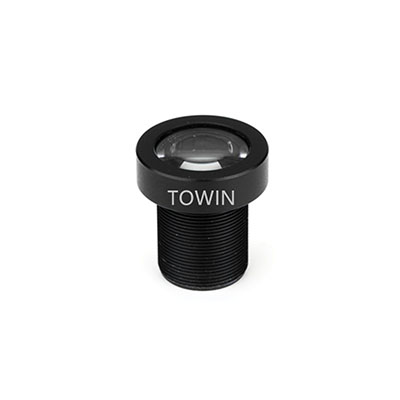
Low-distortion-fixed focus-lens
Characteristics of Towin’s Low Distortion Lenses
- Precision Engineering: Each lens is a testament to Towin’s commitment to precision. Manufactured with the highest quality materials and under stringent quality control measures, these lenses guarantee consistent performance and durability.
- Versatility: Designed for a broad range of applications, Towin’s low distortion lenses excel in machine vision, traffic monitoring, industrial inspection, and beyond. Their versatility makes them a go-to choice for professionals across industries.
- Ease of Integration: With standard mounts and compact designs, integrating Towin’s lenses into existing systems is seamless. Whether you’re upgrading your surveillance setup or enhancing your machine vision capabilities, these lenses fit right in.
- Fast Delivery & Support: Towin understands the importance of time in today’s fast-paced world. With a streamlined supply chain, they ensure quick delivery of lenses, backed by exceptional customer support to address any queries or concerns.
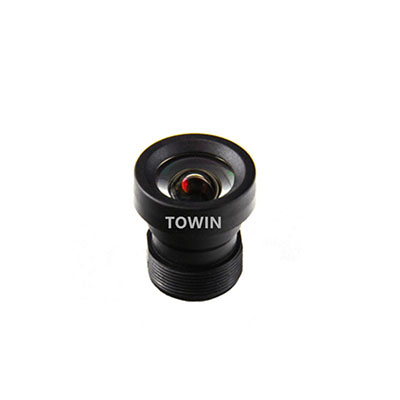
Low-distortion-wide-angle
Calibration Process: Ensuring Optimal Performance
Calibrating Towin’s low distortion lenses involves a series of meticulous steps, including the use of specialized software and calibration targets. The process fine-tunes the lens’s optical properties, ensuring that any residual distortions are corrected.
In conclusion, the low distortion lens calibration is a critical aspect of achieving superior image quality. Towin’s range of low distortion lenses, with their precise engineering, versatility, and ease of integration, sets a new standard in the field of optical lenses.